Compensation that includes restricted stock units, bonuses or investment income can make mortgage qualification feel…
Conventional Loans: A Guide for Rochester Move-Up Buyers
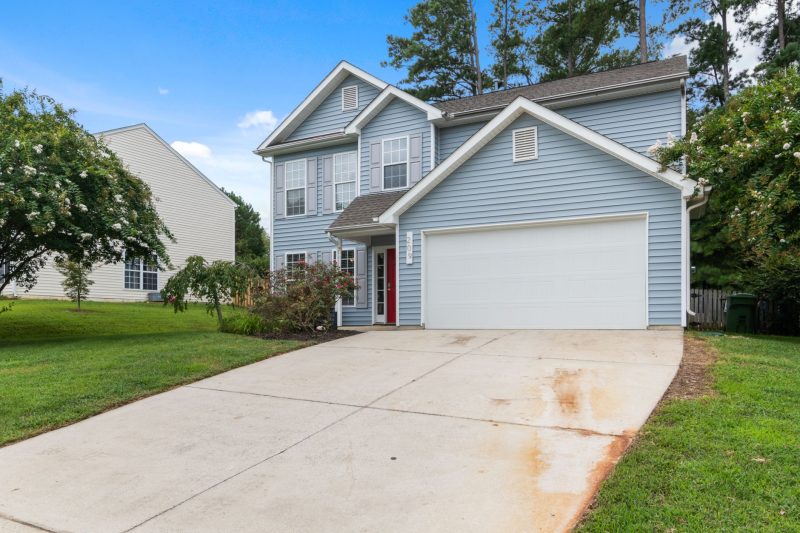
Buying your next home can be exciting, but coordinating the financing, available equity and timing of two properties can feel complicated.
A conventional loan is a mortgage that is not insured by a government agency and can offer flexible financing options for qualified move-up buyers.
In this guide, we’ll explain how conventional loans work, what Rochester move-up buyers should consider and how we help structure the financing strategy.
Key Takeaways
- Purpose: Conventional loans can finance a primary residence while offering several term, down payment and property options.
- Qualifications: Lenders typically review credit, income, assets, debts, property value and the source of funds for closing.
- Timing: Buyers should plan early when a purchase depends on selling an existing home or accessing its equity.
- Best For: Conventional financing may align with move-up buyers who have established credit, documented income and a clear plan for their current property.
Quick Answers About Conventional Loans
- What is a conventional loan? It is a mortgage offered through private lending channels rather than insured by a government agency.
- Can home equity help fund the next purchase? Yes. Proceeds from a completed sale may be used toward the down payment, closing expenses or reserves, subject to documentation requirements.
- Does the current home need to sell before buying? Not always. The answer depends on income, available assets, existing housing obligations and lender guidelines.
- Can a conventional mortgage have a fixed rate? Yes. Fixed-rate and adjustable-rate structures may be available, depending on the program and borrower profile.
What Makes a Move-Up Purchase Different?
A move-up buyer is someone purchasing another primary residence while selling, retaining or borrowing against a home they already own. The new purchase may offer more space, a different location, additional property features or a higher price point.
The financing decision involves more than choosing a loan amount. Buyers may need to coordinate a sale, determine how much equity to use and decide whether to retain funds after closing. Existing mortgage payments can also affect how a lender evaluates the new loan.
At Haus Capital Corporation (NMLS# 1549644), we help buyers review these moving parts before they begin making offers. Our role as a mortgage broker is to work with lending partners and loan programs to identify options that align with the property, financial profile and transaction timeline.
For buyers in Greater Rochester and the Finger Lakes, local market conditions can add another layer to the process. A property may receive multiple offers, a seller may prefer a shorter contingency period or the closing may need to coordinate with another transaction. Early planning and clear communication can help buyers understand what is practical before those details become part of a purchase contract.
How Conventional Loans Work for Move-Up Buyers
Conventional mortgages include conforming and non-conforming loan structures. A conforming loan follows guidelines associated with the government-sponsored enterprises and remains within applicable loan limits. Those limits vary by county and may change, so buyers should confirm current guidelines for the property location.
A non-conforming mortgage does not fit standard conforming requirements. For higher-value properties, a jumbo home loan may be considered when the loan amount exceeds the applicable conforming limit.
Conventional loans may be used for different property types, including:
- Single-family primary residences
- Eligible condominiums and planned developments
- Two- to four-unit primary residences
- Second homes, subject to program requirements
- Investment properties, with different qualification standards
Property eligibility, occupancy, down payment and reserve requirements vary by program. Guidelines can also change, making it important to verify current information for the specific scenario.
Five Factors We Review Before Choosing a Loan
1. Available Equity and Liquid Assets
Move-up buyers often have equity in their current property, but that equity is not always available at the exact time it is needed. We review the estimated sale proceeds, the remaining mortgage balance and other transaction expenses to develop a more complete picture.
We also look at liquid assets outside the current home. Using every available dollar for the purchase may leave less flexibility for moving expenses, property improvements or financial reserves. The appropriate balance depends on the buyer’s broader goals.
2. The Plan for the Current Home
A buyer may sell the current property before closing, sell it afterward or retain it as a rental. Each path can affect qualification.
If the existing home will be retained, the lender may need to include its mortgage, taxes, insurance and other obligations in the debt analysis. Potential rental income may be considered in some situations, but documentation and calculation rules vary.
If the purchase must close before sale proceeds are available, temporary financing may be worth reviewing. A bridge home loan can provide a way to access equity for certain transactions, although eligibility, costs and repayment terms depend on the program.
3. Income and Monthly Obligations
Lenders typically evaluate stable, documentable income along with recurring monthly debts. Salaried income may be reviewed differently from self-employment, commissions, bonuses, investment income or income from real estate.
Debt-to-income ratio compares qualifying monthly debt obligations with qualifying gross monthly income. The acceptable range depends on the complete file, including credit, assets, property type and loan program.
For buyers with complex compensation or multiple properties, documentation planning can be especially important. Tax returns, business records, lease agreements or asset statements may be needed depending on how income is earned and which program is being considered.
4. Loan Amount and Property Type
The purchase price alone does not determine the mortgage structure. We also consider the down payment, property type, occupancy and applicable county loan limit.
A condominium may require a review of the project in addition to the borrower. A multi-unit property may have different down payment or reserve standards. A higher loan amount may move the transaction from conforming to jumbo guidelines.
These distinctions matter because two buyers purchasing similarly priced homes may need different financing strategies.
5. Short-Term and Long-Term Plans
The loan should align with how the buyer expects to use the property and manage the financing. A buyer planning to remain in the home for many years may evaluate a loan differently from someone expecting another move or a significant financial event.
We discuss payment stability, available cash, anticipated ownership period and the possibility of future principal reduction. We do not rely on predictions about future market conditions. Instead, we compare the structures available at the time and explain how each may perform under different circumstances.
Comparing Common Conventional Loan Structures
| Loan Structure | How It Works | Planning Consideration |
|---|---|---|
| Conforming Fixed-Rate Loan | The principal and interest payment remains consistent for the loan term. | May suit buyers who value long-term payment stability. |
| Adjustable-Rate Loan | The initial rate is set for a defined period and may adjust later under the loan terms. | Requires a clear understanding of adjustment periods, caps and future payment possibilities. |
| Jumbo Loan | Finances an amount above the applicable conforming loan limit. | Commonly involves more detailed review of assets, reserves and income. |
| Bridge Financing With a Conventional Purchase | Uses temporary financing alongside the permanent mortgage strategy. | Repayment timing and the expected sale of the current property should be carefully reviewed. |
A fixed-rate mortgage can provide predictable principal and interest payments. An adjustable-rate option may have different initial terms, but buyers should understand how and when the payment can change.
Rates, fees, mortgage insurance and qualification requirements vary by lender and borrower profile. Current information should always be reviewed before selecting a loan structure.
How the Conventional Loan Process Typically Works
Step 1: Review the Complete Financial Picture
We begin by discussing the target purchase price, current property, available equity, income, assets and recurring obligations. This helps identify possible constraints before a buyer commits to a transaction.
Step 2: Compare Financing Scenarios
We may compare different down payments, loan amounts and term structures. For a move-up buyer, that can include scenarios with and without the sale of the current home.
The purpose is not simply to calculate a payment. It is to show how each option may affect funds needed at closing, monthly obligations and remaining reserves.
Step 3: Prepare Documentation
Common documents include income records, bank or investment statements, identification, current mortgage information and property-related records. Additional documentation may be requested for self-employment, rental properties, trusts, business assets or variable compensation.
Step 4: Coordinate the Purchase and Sale
If another property is being sold, the purchase contract, sale contract and anticipated closing dates may all affect the file. We work to keep the financing plan aligned with the transaction as details change.
Step 5: Complete Underwriting and Closing
The lender reviews the borrower documentation, appraisal, title work and property information. Conditions may be requested before the loan can proceed to closing. Timelines vary based on the transaction, documentation, appraisal and lender requirements.
Planning for Down Payment, Reserves and Mortgage Insurance
Some conventional programs allow down payments as low as 3% for eligible transactions. A move-up buyer may choose a larger down payment to reduce the loan amount, adjust the monthly payment or manage mortgage insurance.
Private mortgage insurance may be required when the down payment or available equity is below the program threshold. The cost varies based on factors such as credit, loan amount, property type and down payment.
Reserves are funds remaining after closing. Depending on the loan amount, property type and number of financed properties, a lender may require documented reserves. Even when a particular amount is not required, maintaining liquidity may remain an important part of the buyer’s personal planning.
Choosing a Strategy for the Rochester Market
Move-up transactions in Rochester, Buffalo, Saratoga Springs and other New York communities can vary widely. Some buyers are moving within the same area, while others are relocating between Western New York, the Capital Region or another state.
Every opportunity is different, and we believe the financing strategy should be too. We provide personalized guidance, compare available structures and help buyers understand the tradeoffs before moving forward.
If you are considering your next home, we invite you to call, text or email us. We can review your current property, available equity and target purchase, then help you explore your options and understand the next steps.
Frequently Asked Questions
Can I keep my current home and use a conventional loan for the next one?
You may be able to retain your current home if you meet the income, asset, occupancy and reserve requirements for the new mortgage. The lender will typically review the existing property expenses and may evaluate documented rental income under applicable guidelines.
What happens if the appraisal is lower than the purchase price?
A lower appraisal can affect the maximum loan amount because conventional financing is generally based on the lower of the purchase price or appraised value. The parties may renegotiate, the buyer may contribute additional funds or the transaction may be restructured, depending on the contract and available options.
Are condominiums eligible for conventional financing?
Many condominiums are eligible, but the lender may need to review the project as well as the borrower. Insurance, budgets, ownership concentration, litigation and other project details can affect eligibility.
How is bonus or commission income evaluated?
Lenders commonly review the history, consistency and likelihood of continuation for variable income. Documentation may include recent pay records, year-end forms and employer verification, with the qualifying amount determined under current guidelines.
Can gift funds be used for a move-up purchase?
Gift funds may be permitted for an eligible conventional purchase when the donor, transfer and source are properly documented. The amount allowed and whether the buyer must contribute personal funds can vary by occupancy, property type and program.

About the Author
Samuel J DiPiano
Founder & CEO / Mortgage Loan Originator at Haus Capital Corporation · NMLS #57865
Sam DiPiano is the Founder and CEO of HAUS Capital Corporation and a licensed Mortgage Loan Originator. He helps homebuyers, homeowners, and real estate investors navigate residential mortgage financing, with experience across conventional, government, non-QM, DSCR, investment property, and other financing solutions.
Specializes in: Conventional Loans, Jumbo Loans, Investment Property Loans
Licensed in: FL, KY, MI, NY, OH, PA, SC
Related Posts