
Jumbo Loans: Financing Luxury Homes in Rochester
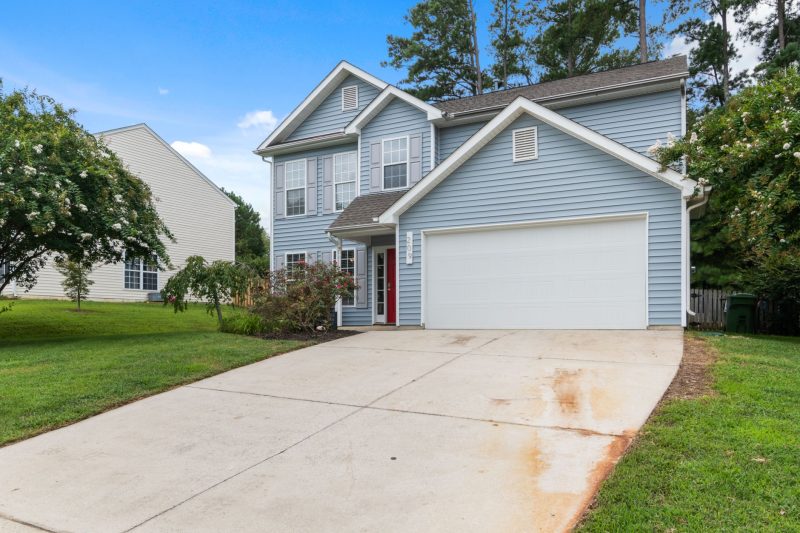
Purchasing a higher-priced home in Rochester can be exciting, but financing the property may require a different approach than a standard mortgage. A jumbo loan is a mortgage that exceeds the conforming loan limit for the county where the property is located. In this guide, we’ll explain how jumbo loans work, what lenders commonly review and how buyers can prepare for a luxury home purchase in Greater Rochester.
Key Takeaways
- Purpose: Jumbo loans help finance properties when the mortgage amount exceeds the local conforming loan limit.
- Requirements: Lenders commonly review credit, income, assets, reserves, debt obligations and the property in greater detail.
- Timeline: Jumbo underwriting may require additional documentation and appraisal review, so early planning is important.
- Best For: These loans may fit buyers purchasing higher-priced primary residences, second homes or eligible investment properties.
Quick Answers About Jumbo Loans
- What makes a mortgage a jumbo loan? A mortgage is considered jumbo when its loan amount is above the applicable conforming loan limit for the property’s county.
- Does every luxury home require jumbo financing? No. The loan amount, rather than the purchase price alone, determines whether jumbo financing is needed.
- Are jumbo loans harder to qualify for? They often involve more detailed underwriting because the lender is financing a larger balance.
- Can jumbo loans finance second homes or investment properties? Some programs allow these occupancy types, although requirements vary by lender, property and borrower profile.
- Do jumbo loans take longer to close? They may require more time for document review or appraisal analysis, but the process varies by scenario.
At Haus Capital Corporation (NMLS# 1549644), we help buyers evaluate mortgage options for higher-priced properties in Rochester, Buffalo, Saratoga Springs and communities throughout New York. As a licensed mortgage broker, we work with a broad network of lending partners and loan programs to identify financing options that align with the property and the borrower’s goals.
How Jumbo Loans Work in Rochester, NY
Most conventional mortgages fall into one of two categories: conforming or jumbo. A conforming loan meets the guidelines and loan limits established for purchase by Fannie Mae or Freddie Mac. A jumbo loan exceeds the applicable conforming limit and is therefore considered a non-conforming mortgage.
Conforming loan limits vary by county and can change over time. In the Rochester area, the limit that applies is based on the county where the property is located, not the buyer’s current residence. Buyers should confirm the current limit for Monroe County or the applicable Finger Lakes county before selecting a loan structure.
A property’s purchase price does not determine the loan category by itself. A higher-priced home may still use conforming financing when the buyer makes a larger down payment. In another transaction, a lower purchase price combined with a smaller down payment could produce a loan amount above the conforming limit.
This distinction matters because jumbo loans have their own underwriting standards, documentation requirements and pricing. Buyers considering a higher loan amount can review our jumbo home loan options as part of the planning process.
Conforming Loans vs. Jumbo Loans
| Feature | Conforming Loan | Jumbo Loan |
|---|---|---|
| Loan Amount | Within the applicable county limit | Above the applicable county limit |
| Guidelines | Generally follows agency standards | Varies by lender and program |
| Asset Review | Standard documentation based on the file | Often includes closer review of reserves and funds |
| Property Review | Standard appraisal requirements generally apply | Additional appraisal review may be required |
| Pricing | Based on current market pricing and borrower factors | Varies by loan size, lender and overall borrower profile |
Loan programs, rates, fees and underwriting requirements change. Current information should always be verified for the specific property and financing scenario.
What Lenders Review for a Jumbo Mortgage
Jumbo underwriting considers the same core areas as other mortgages, but lenders may apply more detailed standards. Every opportunity is different, and requirements can vary significantly between programs.
Credit Profile
Lenders review credit scores, payment history, account balances and recent credit activity. Jumbo programs commonly look for an established history of managing credit, although the guidelines depend on the lender and the complete application.
A credit score is only one part of the review. Debt levels, available assets and the strength of the overall file also influence the options available.
Income and Employment Documentation
Jumbo borrowers generally need to document stable income that supports the proposed housing payment and other monthly obligations. Salaried borrowers may provide pay statements, tax documents and employment verification. Borrowers with business income, partnership income, commissions or bonuses may need additional records.
Self-employed borrowers are often asked for personal and business tax returns, year-to-date financial information and documentation supporting business liquidity. Some non-traditional documentation programs may also be available, subject to their own requirements.
Assets, Down Payment and Reserves
Lenders need to verify the source of the down payment, closing funds and required reserves. Reserves are assets remaining after closing that may be measured in relation to the monthly housing payment.
Eligible assets can vary by program. Checking and savings accounts, investment accounts and certain retirement assets may be considered, although lenders can apply different rules for accessibility and valuation. Large or recent deposits may require an explanation and supporting documentation.
Debt-to-Income Review
The debt-to-income ratio compares qualifying monthly income with recurring debt obligations. Jumbo programs may set their own limits and may also consider compensating factors such as liquidity, credit history and the size of the down payment.
For borrowers with complex income or multiple properties, the calculation may require a detailed review of tax returns, rental income, mortgage obligations and business liabilities.
Property Appraisal
Luxury properties can be more difficult to evaluate when comparable sales are limited. Unique acreage, extensive renovations, custom construction or uncommon property features may require additional analysis by the appraiser and underwriter.
Some jumbo programs may request a second appraisal or another form of valuation review. This depends on the loan amount, property and lender guidelines.
Why Jumbo Loan Options Can Vary by Lender
Jumbo mortgages are not based on one universal set of underwriting rules. Each lender can establish its own approach to credit, reserves, property types, income calculations and maximum loan exposure.
One program may be more flexible with bonus income, while another may provide a better structure for borrowers with significant investment assets. Requirements can also differ for condominiums, multi-unit properties, second homes and investment properties.
This is where working with a mortgage broker can be valuable. We can compare available loan options rather than approaching the transaction as though every jumbo program is the same. Our goal is to provide personalized guidance, communicate clearly and help buyers understand the differences before moving forward.
Planning for a Rochester Luxury Home Purchase
Higher-priced properties in Greater Rochester can range from established homes in the city and surrounding towns to custom properties near the Finger Lakes. The financing strategy should account for the property, available liquidity, existing real estate and longer-term financial plans.
Review the Full Financial Picture Early
Before making an offer, organize income records, asset statements and information about current mortgage obligations. Buyers with businesses, trusts, investment accounts or multiple properties may benefit from allowing additional time for document review.
Early planning also helps identify whether the transaction should use a jumbo loan, a larger down payment or another structure. It can reveal documentation questions before they become time-sensitive.
Consider the Timing of an Existing Home Sale
Move-up buyers may want to purchase before their current home is sold. That can affect available funds, debt-to-income calculations and reserve requirements.
Depending on the scenario, options may include using documented liquid assets, coordinating sale and purchase dates or evaluating a bridge home loan. Bridge financing has separate costs and requirements, so it should be reviewed alongside the complete mortgage plan.
Compare More Than the Interest Rate
The interest rate is important, but it is not the only part of a jumbo mortgage. Buyers should also evaluate the loan structure, required reserves, down payment, closing expenses, fixed or adjustable terms and future plans for the property.
The appropriate jumbo structure is the one that aligns with the borrower’s complete financial scenario and ownership goals. Rates, terms and fees vary by lender and can change with market conditions.
A Clearer Approach to Jumbo Financing
Jumbo financing can create opportunities for buyers who need a mortgage above local conforming limits. It also requires careful coordination between the borrower, mortgage professional, real estate agent, appraiser and other parties involved in the transaction.
We believe that process should feel clear, personal and well executed. If you are considering a luxury home in Rochester or another market we serve, call, text or email us to review your scenario, compare options and understand the next steps.
Frequently Asked Questions
Can bonus or commission income be used for a jumbo loan?
Bonus and commission income may be considered when it is documented and meets the program’s history and continuance guidelines. Lenders commonly review tax documents, pay statements and employer verification to determine the qualifying amount.
Will a jumbo mortgage require two appraisals?
Some jumbo programs require a second appraisal or additional valuation review based on the loan amount and property. The requirement varies by lender, so it should be confirmed early in the process.
Can I buy before selling my current home?
It may be possible when income, assets and existing obligations support the transaction under the selected program. Buyers can also evaluate sale timing, available liquidity and bridge financing as part of the broader strategy.
Can a jumbo loan finance new construction?
Jumbo construction financing may be available for eligible borrowers and projects. The lender will generally review the builder, plans, budget, timeline, land position and permanent financing structure.
Should I choose a fixed or adjustable jumbo mortgage?
The choice depends on available programs, expected ownership period, payment preferences and tolerance for future rate changes. Buyers should compare the initial terms and how the payment could change over time before selecting a structure.

Samuel J DiPiano
Sam DiPiano is the Founder and CEO of HAUS Capital Corporation and a licensed Mortgage Loan Originator. He helps homebuyers, homeowners, and real estate investors navigate residential mortgage financing, with experience across conventional, government, non-QM, DSCR, investment property, and other financing solutions.
Related Posts