
Mortgage Refinance in Rochester, NY
A mortgage refinance is the replacement of an existing mortgage with another mortgage under different terms.
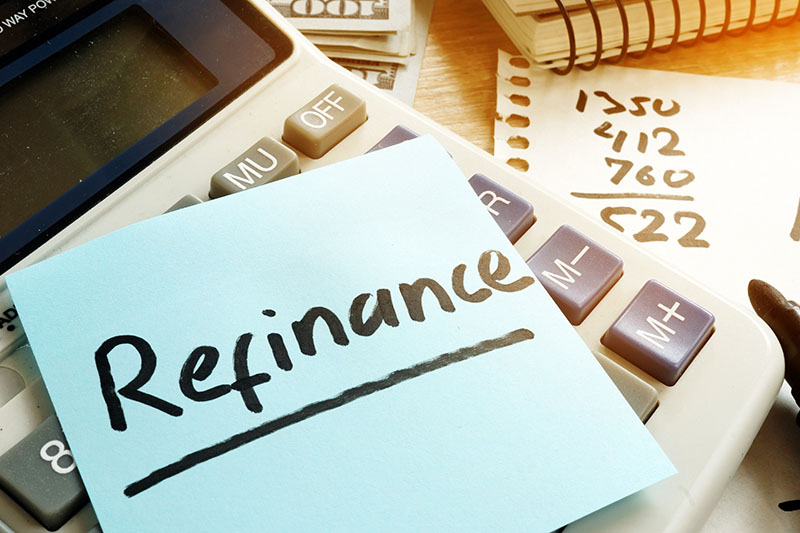
When Refinancing in Rochester, NY Makes Sense
A refinance in Rochester, NY replaces your current mortgage with a new loan structured around your present financial goals, property equity and qualifications. At Haus Capital Corporation, we help homeowners and investors evaluate whether changing their rate, term, loan type or equity position makes financial sense. The right strategy depends on the complete picture—not simply whether today’s interest rate differs from the rate on your existing mortgage.
Key Takeaways
- Purpose: Refinancing may change your mortgage rate, repayment period, loan program or available equity.
- Qualification: Credit, income, assets, property value, occupancy and existing debt all affect available refinance loans.
- Equity: Rate-and-term and cash-out transactions have different equity requirements and pricing considerations.
- Costs: A meaningful comparison includes closing costs, monthly payment, loan balance and total interest—not just the rate.
- Timing: The break-even period helps determine whether refinancing aligns with how long you expect to hold the property.
- Property type: Primary homes, second homes and investment properties may follow different underwriting guidelines.
- Strategy: Personalized guidance and clear communication can help you compare the available structures responsibly.
Common Questions About Refinance Loans
Refinance loans should be evaluated according to their total financial impact and the goal they are intended to accomplish.
- What is a refinance mortgage? It is a new mortgage used to pay off an existing home loan. The new loan may have a different rate, term, balance or program structure.
- Who may benefit from refinancing? Homeowners with sufficient equity, improved credit, changing cash-flow needs or a reason to restructure debt may want to explore their options. Qualification remains subject to the selected program and complete underwriting review.
- How long does a refinance take? Timing varies with the appraisal, title work, documentation and complexity of the file. Investment properties, jumbo balances and layered income sources often require additional review.
- Can I receive cash from my equity? A cash-out refinance may allow eligible borrowers to replace their mortgage with a larger loan and receive part of the difference, subject to equity and program limits.
- Do I need an appraisal? Many refinance programs require one, although an automated valuation or appraisal waiver may be available in certain scenarios. That determination is made through the applicable underwriting system and program guidelines.
- Is refinancing worthwhile when the payment decreases? Not automatically. We compare the payment reduction against closing costs, the new loan term, changes in principal balance and your expected ownership period.
- How does refinancing an investment property differ? Pricing, reserve requirements and allowable leverage may differ from a primary-residence loan. Our investment property loans provide additional context for rental-property financing.
- What should I ask a refinance lender in Rochester, NY? Ask for a side-by-side comparison showing the new balance, rate, payment, cash needed, closing costs and break-even point. You should also understand whether the quoted rate includes discount points.
How Refinance Loans Work
A refinance moves from goal-setting through documentation, valuation, underwriting and closing. We keep the process focused on both qualification and whether the proposed terms support your broader strategy.
- Define the objective: We begin by identifying what you want the refinance to accomplish, such as changing the payment, shortening the term, accessing equity or restructuring an investment loan. A clear objective prevents us from evaluating a new mortgage in isolation.
- Review the current mortgage: We examine your unpaid balance, interest rate, remaining term, monthly payment and any relevant loan features. We also review your estimated property value and intended holding period to establish a practical comparison.
- Evaluate your financial profile: Income, employment, credit, assets, debts and reserves are reviewed according to the proposed refinance program. Investors may also need leases, operating statements or property-specific documentation, while complex borrowers may require tax returns and business records.
- Compare program structures: We assess conventional, jumbo and investor-focused possibilities through our network of lending partners. For higher-value properties, a jumbo home loan structure may be worth comparing with other available financing.
- Complete valuation and underwriting: The property may require an appraisal, title search and insurance review. An underwriter then verifies the application and supporting documents, evaluates the collateral and issues any conditions that must be resolved before closing.
- Review and close the new loan: Before signing, we review the final rate, payment, loan balance, costs and funds due or proceeds expected. Once applicable conditions and waiting periods are satisfied, the new mortgage funds and pays off the existing lien.
Who Should Consider a Refinance Mortgage?
Refinancing may be appropriate for homeowners and investors whose current mortgage no longer aligns with their property or financial plan. This can include move-up buyers who retained a previous residence, high-net-worth borrowers coordinating liquidity, or investors restructuring debt across a growing portfolio. In our experience, a property owner with improved credit and substantial equity often has more structures to compare than someone who refinanced or purchased recently.
Alternatives deserve consideration when the cost, timeline or new loan balance weakens the expected benefit. If you anticipate selling soon, have limited equity, would restart a long amortization period or already hold favorable financing, keeping the existing mortgage may be more appropriate. Borrowers who need flexible access to equity without replacing the first mortgage can also review a HELOC home loan, while investors qualifying primarily through property cash flow may want to compare other rental financing structures.
Costs, Fees and Expectations for Refinance Loans
A refinance has transaction costs, and those expenses should be measured against both near-term cash flow and long-term borrowing cost. Common charges can include origination or underwriting fees, an appraisal, credit reporting, title services, recording charges, prepaid interest and escrow funding. Discount points may also be offered to obtain a different interest rate, but paying points increases the upfront investment.
A refinance does not have a purchase down payment; instead, programs measure the equity remaining after the new loan is established. Allowable loan-to-value ranges vary by occupancy, property type, credit profile, loan purpose and current 2026 guidelines. Costs may sometimes be added to the balance when equity and program rules permit, although doing so increases the amount financed.
For example, if a $400,000 refinance carries estimated closing costs of 2% to 4%, the expenses might typically fall between $8,000 and $16,000 before escrow adjustments or lender credits. If the projected monthly reduction were $400, dividing $10,000 in costs by $400 produces a simple break-even period of about 25 months; this calculation does not account for changes in principal, taxes or total interest.
| Feature | Rate-and-Term Refinance | Cash-Out Refinance |
|---|---|---|
| Primary purpose | Change rate, term or program | Replace loan and access equity |
| Down payment | Not applicable; equity is evaluated | Not applicable; more equity is generally retained |
| Closing costs | Property, title and loan charges may apply | Property, title and loan charges may apply |
| Pricing | Based on market and borrower profile | May carry different adjustments |
| Documentation | Income, assets, credit and property records | Similar review plus cash-out requirements |
| Timeline | Varies by valuation and underwriting | Varies by valuation and underwriting |
Common Refinance Mistakes to Avoid
The most common refinance mistakes come from comparing one attractive feature while overlooking the complete transaction.
- Looking only at the interest rate: A lower quoted rate can involve points, a larger balance or a longer repayment period. Review the annual percentage rate, payment, costs and total interest together.
- Skipping the break-even calculation: Paying substantial costs for a modest monthly reduction may not make sense if you expect to sell before recovering the expense. Use your realistic ownership horizon rather than an indefinite projection.
- Changing finances during underwriting: Opening new credit, financing a vehicle or moving funds without documentation can alter debt ratios or create additional conditions. Discuss major financial changes with us before acting.
- Making a large unexplained deposit: For example, depositing $75,000 from a private business transaction shortly before applying may require a paper trail showing ownership and source. If the funds cannot be documented under program rules, an underwriter may exclude them from usable assets.
- Assuming an online estimate equals appraised value: Automated estimates may not account for renovations, property condition or differences between nearby sub-markets. Cash-out proceeds and program eligibility depend on the accepted valuation, not an informal estimate.
- Ignoring the current loan’s advantages: Replacing an existing fixed-rate mortgage may sacrifice favorable terms. What we typically see is that borrowers benefit from comparing a refinance with a second-lien strategy or retaining the current loan.
Local Considerations for Rochester, NY
Local property type, taxes and comparable sales can materially affect a refinance appraisal and underwriting strategy. Rochester includes older housing stock and two-to-four-unit properties in areas such as Park Avenue and the South Wedge, while Brighton and Pittsford include different price points, lot characteristics and school-tax considerations. Comparable sales may need careful interpretation when renovated homes sit near properties with substantially different condition or use.
The regional economy also includes major health care, higher education, optics and photonics employers, creating borrowers with salaried compensation, grant-funded income, bonuses or business ownership. In our experience, medical professionals, university employees and technology executives may need additional documentation when income includes contracts, restricted stock, variable compensation or multiple entities.
Ready to Explore Your Refinance Strategy?
We believe mortgage financing should be clear, strategic and tailored to the opportunity in front of you. We serve clients in Rochester, Buffalo, Saratoga and communities throughout New York with personalized guidance and clear communication. Let’s find the right strategy by comparing your current loan with the refinance programs available for your goals and qualifications.
Get started with Haus Capital Corporation (NMLS #1549644) today by using our Get Started page. We will help you explore your options, understand the trade-offs and determine whether refinancing deserves a place in your financial plan.
This is educational content and not financial advice. Loan programs and guidelines can change. Talk with a licensed mortgage professional about your specific scenario.