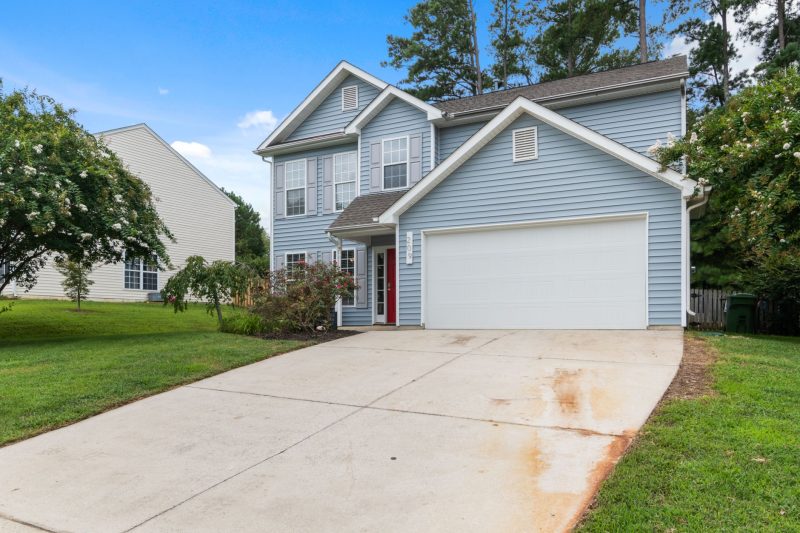
How Can We Use Equity From Our Current Home to Buy a Move-Up Home in Rochester, NY?

Buying a move-up home can create a timing challenge when much of your available cash is tied up in your current property.
Homeowners can use equity from their current home toward a move-up purchase through sale proceeds, a home equity line of credit, bridge financing or a cash-out refinance, depending on their finances and timing.
In this guide, we at Haus Capital Corporation (NMLS# 1549644) explain how these strategies work, what lenders review and how to compare your options before making an offer in Rochester.
Key Takeaways
- Equity Access: Equity may be accessed through a home sale, HELOC, bridge loan or cash-out refinance.
- Qualification: Lenders commonly review income, credit, assets, property value, existing debts and the payments associated with both homes.
- Timing: The financing plan should be established before making an offer because each option affects cash flow and purchase terms differently.
- Best For: These strategies may help homeowners who want to purchase their next property before or near the time their current home sells.
Quick Answers
- Do we have to sell our current home before buying? Not necessarily. Some borrowers can qualify while retaining the current home, while others may use a HELOC, bridge loan or sale contingency.
- How much equity can we access? The amount depends on the current property value, mortgage balance, loan program, credit profile and lender guidelines.
- Is a HELOC the same as a bridge loan? No. A HELOC is a revolving credit line secured by the current home, while a bridge loan is generally designed as temporary financing around a purchase and sale.
- Will the current mortgage count against us? It often does unless program guidelines allow the lender to exclude or offset that obligation based on documented circumstances.
Start by Calculating Your Available Home Equity
Home equity is the difference between a property’s current market value and the debt secured by that property. If a home is worth more than the outstanding mortgage and other liens, the difference represents gross equity.
Gross equity is not always the same as available cash. A lender may limit how much of the property value can be borrowed, and selling the home may involve commissions, transfer charges, legal expenses and other transaction costs.
A simple planning estimate begins with:
- The expected market value of the current home
- The outstanding mortgage and any additional liens
- Estimated selling expenses
- The amount needed for the next purchase
- Cash reserves that should remain after closing
An appraisal or other acceptable valuation may be required when borrowing against the property. For a planned sale, we also recommend reviewing the likely net proceeds with the real estate and legal professionals involved in the transaction.
Four Ways to Use Equity for a Move-Up Purchase
1. Sell the Current Home and Use the Net Proceeds
Selling first is often the most direct strategy. After the existing mortgage, liens and transaction expenses are paid, the remaining proceeds can be applied toward the down payment, closing expenses or reserves for the next home.
This approach may reduce the need to qualify with two housing payments. The tradeoff is timing. If the new property is not ready when the current home closes, temporary housing or an occupancy arrangement may be needed.
A coordinated sale and purchase can also be structured with a sale contingency. That may protect the buyer if the existing home does not sell, but sellers evaluate contingencies based on the full terms of an offer.
2. Open a HELOC Before the Current Home Sells
A home equity line of credit, or HELOC, is a revolving credit line secured by the equity in a home. Funds may be drawn as needed, subject to the credit limit and program terms.
A HELOC can provide access to funds for a deposit, down payment or related purchase expenses while the current home remains unsold. The balance is generally repaid when the property sells, although repayment terms vary.
The lender will evaluate the current home, existing mortgage, requested credit line, income, credit and total monthly obligations. The HELOC payment may also affect qualification for the new mortgage. Borrowers considering this structure can review our HELOC home loan options for a broader program overview.
3. Use Bridge Financing Between the Sale and Purchase
A bridge loan is temporary financing intended to help connect the purchase of a new property with the future sale of an existing property. Depending on the structure, proceeds may help fund the down payment or cover the period when both properties are owned.
Bridge financing can provide flexibility when the preferred home becomes available before the current property closes. It also introduces an additional loan, carrying costs and a repayment deadline. The exit plan is usually tied to selling the existing home or completing another defined transaction.
Guidelines differ significantly by lender. Property condition, available equity, liquidity and the expected sale plan can all affect eligibility. Our bridge home loan overview explains the general structure in more detail.
4. Complete a Cash-Out Refinance
A cash-out refinance replaces the current mortgage with a larger loan and provides a portion of the difference in cash. Those funds may then be used toward the next purchase, subject to loan and underwriting requirements.
This option may be considered when the current home will be retained rather than sold immediately. It requires a full mortgage qualification and changes the financing terms on the existing property. Borrowers should compare the new payment, current market rates, transaction expenses and long-term plans before proceeding.
A cash-out refinance may not align well with a home that will be sold shortly after closing. The expected holding period matters because the costs and new loan structure need to make sense within the broader plan. Additional information is available through our cash-out refinance options.
Comparing Equity Strategies for a Rochester Move-Up Purchase
| Strategy | How It Works | Primary Consideration |
|---|---|---|
| Sell First | Net proceeds become available after the current home closes. | The sale and purchase timelines must be coordinated. |
| HELOC | A revolving line provides access to part of the existing equity. | The payment and balance may affect mortgage qualification. |
| Bridge Loan | Temporary financing supports the transition between properties. | A clear repayment strategy and sufficient equity are commonly required. |
| Cash-Out Refinance | The current mortgage is replaced with a larger loan. | The new loan terms should align with the expected holding period. |
There is no single structure that fits every move-up purchase. The right approach depends on whether the current property will be sold or retained, how quickly the next home must close and whether the borrower can carry overlapping obligations.
How Lenders Evaluate a Buy-Before-You-Sell Plan
Accessing equity is only one part of the transaction. The borrower must also qualify for the financing on the move-up home.
Lenders commonly review:
- Income and employment: Documentation must support the income used for qualification.
- Credit profile: Credit history can affect available programs, pricing and required reserves.
- Debt-to-income ratio: The lender compares qualifying monthly income with recurring obligations, including applicable housing payments.
- Assets and reserves: Funds may be needed for the down payment, transaction expenses and post-closing liquidity.
- Property eligibility: Both the current home and new property must meet the requirements of the applicable loan program.
- Exit strategy: Bridge and other temporary structures often require a documented plan for repayment.
Program requirements and lender overlays are not always the same. A loan program may permit a particular structure, while an individual lender may apply additional credit, reserve, property or documentation standards. Guidelines can also change, so current requirements should be verified before an offer is written.
Should We Keep the Current Home as an Investment Property?
Some move-up buyers decide to retain the current property and convert it to a rental. That changes the financing analysis because the home is no longer expected to produce sale proceeds.
A lender may consider projected or documented rental income under applicable guidelines. The amount that can be used, the required lease documentation and any vacancy adjustment vary by program and borrower history. Borrower eligibility and property eligibility must both be reviewed.
Retaining the property also means planning for repairs, vacancies, insurance, taxes and ongoing management. The decision should be based on cash flow and long-term objectives, not equity alone.
Build the Financing Strategy Before Making an Offer
The strongest planning starts before a specific property is under contract. We first identify the available equity, expected net sale proceeds and amount needed for the next transaction. We then compare the monthly obligations and documentation required under each structure.
For a Rochester purchase, the plan should also account for local property taxes, insurance, legal coordination and the condition of both properties. The same principles apply across Greater Rochester, Buffalo, the Finger Lakes and Saratoga Springs, but transaction details can differ by location and property type.
A practical review usually includes:
- Estimate the current home’s value and outstanding debt.
- Decide whether the property will be sold or retained.
- Calculate the expected cash needed for the move-up purchase.
- Compare selling first, a HELOC, bridge financing and refinancing.
- Review qualification with both housing obligations where applicable.
- Coordinate the financing plan with the purchase offer and sale timeline.
Rates, fees, underwriting standards and program availability vary by lender and scenario. They should be confirmed using current guidelines before final decisions are made.
Let’s Review Your Move-Up Plan
Every opportunity is different, and the financing strategy should be too. We provide personalized guidance and clear communication to help borrowers understand how their equity, purchase timeline and mortgage options work together.
If you are planning a move-up purchase in Rochester or elsewhere in New York, we invite you to call, text or email us. We can review your scenario, compare available structures and outline the next steps for purchase and financing planning. Let’s find the right strategy for the transition between your current home and your next one.
Frequently Asked Questions
Can we access equity after our current home is listed for sale?
Possibly, but lender policies vary once a property is actively listed. Some lenders may require the listing to be withdrawn, while others may evaluate the expected sale and repayment plan as part of underwriting.
What happens to a bridge loan when the current home sells?
Bridge financing is commonly repaid from the current home’s sale proceeds. The closing attorney or settlement agent generally coordinates the payoff using the lender’s formal payoff statement.
Can sale proceeds be applied to the new mortgage after closing?
Some mortgage servicers permit a principal reduction followed by a loan recast, which may lower the monthly principal and interest payment without replacing the mortgage. Availability, timing, minimum principal reductions and servicing requirements vary.
How does the appraisal affect an equity-based purchase plan?
The appraisal helps establish the value used to calculate available equity for a HELOC, refinance or bridge structure. If the appraised value is below the planning estimate, the accessible funds may be reduced.
Can equity be used toward a jumbo move-up purchase?
Yes, eligible equity funds may be used toward a jumbo purchase when the source, transfer and availability of the funds are properly documented. Jumbo programs often have lender-specific requirements for credit, liquidity, reserves and property eligibility.

Samuel J DiPiano
Sam DiPiano is the Founder and CEO of HAUS Capital Corporation and a licensed Mortgage Loan Originator. He helps homebuyers, homeowners, and real estate investors navigate residential mortgage financing, with experience across conventional, government, non-QM, DSCR, investment property, and other financing solutions.
Related Posts